
Diversity in the Workplace
Diversity is beneficial to the workplace because it allows for different perspectives and ideas to be considered and integrated into the organization. It enables employees to develop stronger relationships with colleagues of different backgrounds, which can lead to more beneficial working relationships.
Additionally, diversity may help to identify and address problem areas earlier, leading to improved efficiency and productivity. Finally, diverse populations often have a broader range of skills and abilities that can be tapped in order to meet the needs of an organization.
How Does Diversity Help Innovation?
Diversity is not only important for society, but for the workplace as well. Diversity increases innovation and creativity. Diverse teams are more likely to come up with novel solutions to problems. They are better able to identify a target market and provide a solution that meets it. Diverse teams are also less likely to take the “easy” path.

Not surprisingly, a recent study by the University of Arizona found that diversity can be an important and positive force in today’s organizations. The study found that diverse teams were more likely to innovate new ideas and were more creative than homogeneous teams. Organizations that are open and inclusive also have a better chance of attracting and retaining talent, which is important for business and the economy.
Diversity has been used in the workplace for decades and continues to evolve. Research has shown that diversity in the workplace will continue to boost innovation and creativity, which in return affects the bottom line positively.
How Does Diversity Help the Bottom Line?
Diversity is a buzzword these days, but what does it really mean? It’s more than just having a diverse group of employees. It’s a way to build a diverse group of customers. Diversity can help bolster your bottom line by bringing in a variety of perspectives. It also helps with the sales process. Diverse groups perform better in sales calls. It has been proven that diverse groups make better decisions. What’s more, a diverse workplace helps to build the reputation of the company, as well as the quality of the product or service.
Diversity is a win-win situation.
There is a lot of talk these days about the benefits of diversity in the workplace. Many people believe that a more diverse team leads to better ideas and a stronger bottom line. Why do diverse teams outperform homogeneous ones? Well, when everyone looks alike, it’s easy to fall into groupthink. Diverse teams are less likely to do this because they’re constantly challenging each other’s ideas. After all, a company with employees from different backgrounds and cultures will be able to understand and serve a wider range of customers. However, while it is certainly important to have diversity in terms of race, ethnicity, and gender, it is also important to have diversity in terms of thought. A company where everyone thinks alike is likely to be less innovative and less productive.
Diversity can help businesses tap into new markets and create new products. Employees from different backgrounds can bring new ideas to the table, and those ideas can be put into action more quickly when there is diversity in terms of management style and decision-making.
A study by The Conference Board found that companies with a more diverse executive team performed significantly better than those without a diverse executive team. In fact, the study showed that companies with greater diversity had a 95% higher return on equity and a 53% higher return on sales.

What Diversity Initiatives Are Being Taken Today?
Diversity has always been a hot topic, but in recent years, it has become even more prevalent, with many companies and organizations taking steps to promote diversity. Some companies have started initiatives to increase diversity in their workforce, while others have focused on promoting diversity in the products and services they offer.
Many organizations are now working to increase racial diversity. For example, Google has created a program called “Black Googler Network” to help Black employees connect with one another and share their experiences. The goal is to create a more welcoming environment for Black employees and help them feel like they can be themselves at work. Google is also working to improve its hiring practices so that it can attract more Black applicants. Microsoft has also launched several initiatives to increase racial diversity.

There are many diversity initiatives being taken today in order to promote equality and acceptance in the workplace and society as a whole. For example, many companies are working to increase their number of female executives by providing mentorship and development programs for women. Additionally, many organizations are working to create a more diverse workplace by hiring employees from different backgrounds and cultures. In doing so, these organizations hope to better understand and cater to the needs of their customers. Another way that businesses are promoting inclusion is by offering benefits such as paid parental leave to employees who need time off to care for a child or family member. Finally, some businesses are taking a stand against discrimination by creating anti-harassment policies that prohibit any form of harassment or discrimination based on race, gender, or religion.
With movements like #OscarsSoWhite and the NFL protests gaining attention, the need for diversity initiatives is more apparent than ever. But what are these initiatives? How do they work? And who decides which ones to use?
There is no one answer to this question, as diversity initiatives vary from company to company and even from department to department. However, common diversity initiatives include targeted recruitment and hiring practices, employee resource groups, training and development programs, and mentorship opportunities.
Many companies today also have Chief Diversity Officers (CDOs) or similar roles whose job it is to develop and oversee the organization’s diversity initiatives. CDOs often work with a team of experts in areas such as human resources, marketing, and law to create programs that will help the company meet its diversity goals.
What is the Future of Diversity in the Workplace?
There is no one-size-fits-all answer to the question of what the future of diversity in the workplace will be. However, there are a few things that we can be sure of;
- With the growth of technology and globalization, diversity in the workplace is only going to become more important.
- Companies that embrace diversity and inclusion will be more successful than those that don’t.
- As more and more people become aware of the value of diversity, it will become increasingly difficult for companies to ignore this issue.
- More companies will make a concerted effort to create a diverse and inclusive workplace. This is partly due to the fact that studies have shown that a diverse workforce leads to improved performance and innovation.
- There will be more diversity training and education programs being offered by companies. This is because employees are increasingly looking for workplaces that value diversity and inclusion. Additionally, research has shown that diversity training can improve employee satisfaction and help reduce discrimination in the workplace. (XcelMil has built several successful DEI training programs and can help!)
In conclusion, diversity is beautiful and is a big part of a healthy workplace. By embracing diversity, we can create an inclusive environment that celebrates everyone’s differences. We can learn from each other, grow together, and build a stronger community. Let’s work together to make our workplaces more diverse and inclusive!
Have you ever been a part of a diverse workplace?
Was it a good experience?
Book a consultation with us now! Please do not hesitate to contact us with any questions. We would love to hear from you. Email at info@xcelmil.com.
Click here https://xcelmil.com/xcelmil-coaching-and-consulting-services/ to learn more about our services.
Twitter: https://twitter.com/GraticMelody
LinkedIn: https://www.linkedin.com/in/melodygraticconsulting/
XcelMil, LLC is a certified Minority-Woman and Service-Disabled Veteran-Owned Small Business specializing in Executive Management Consulting and Leadership Development Training.






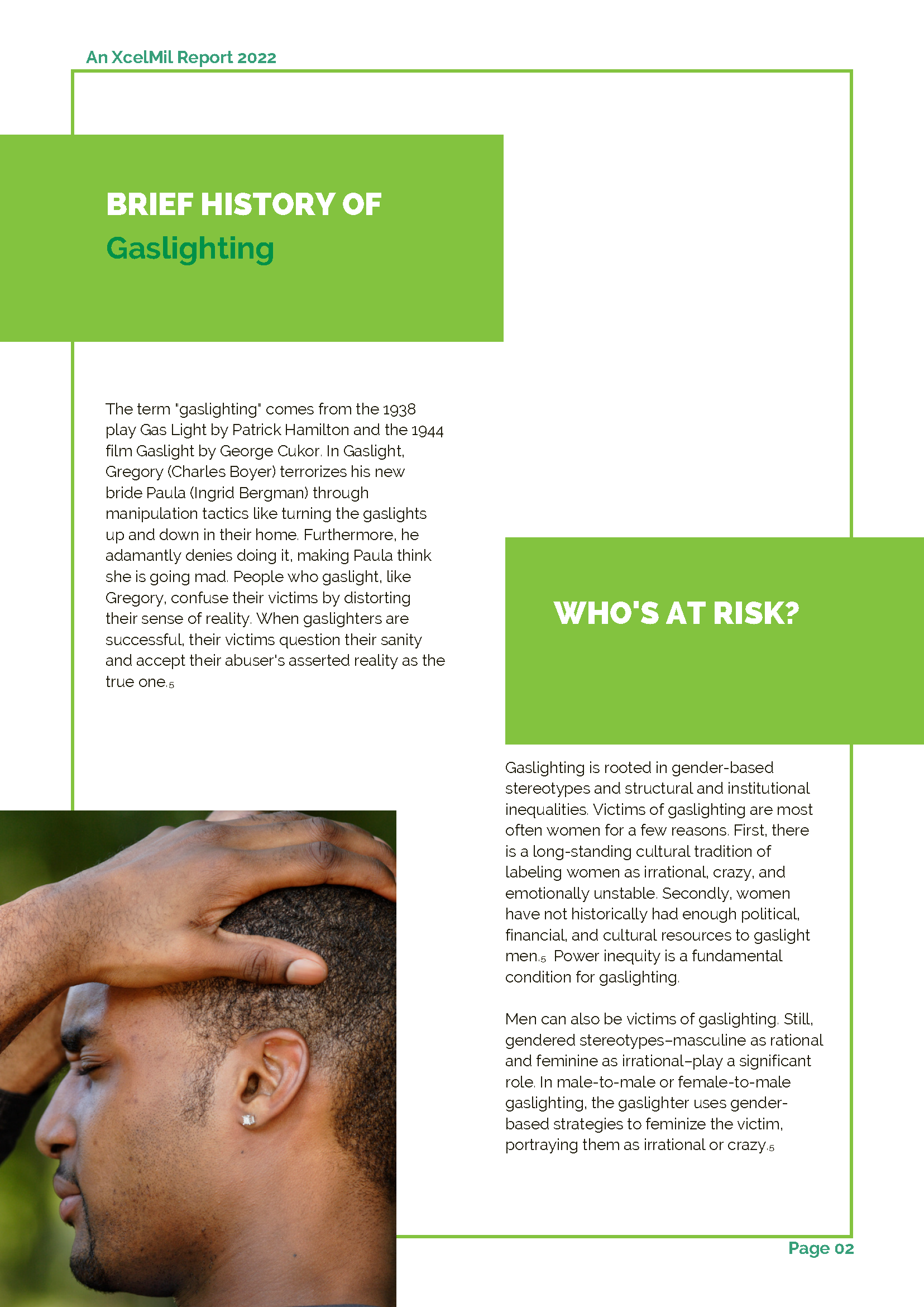
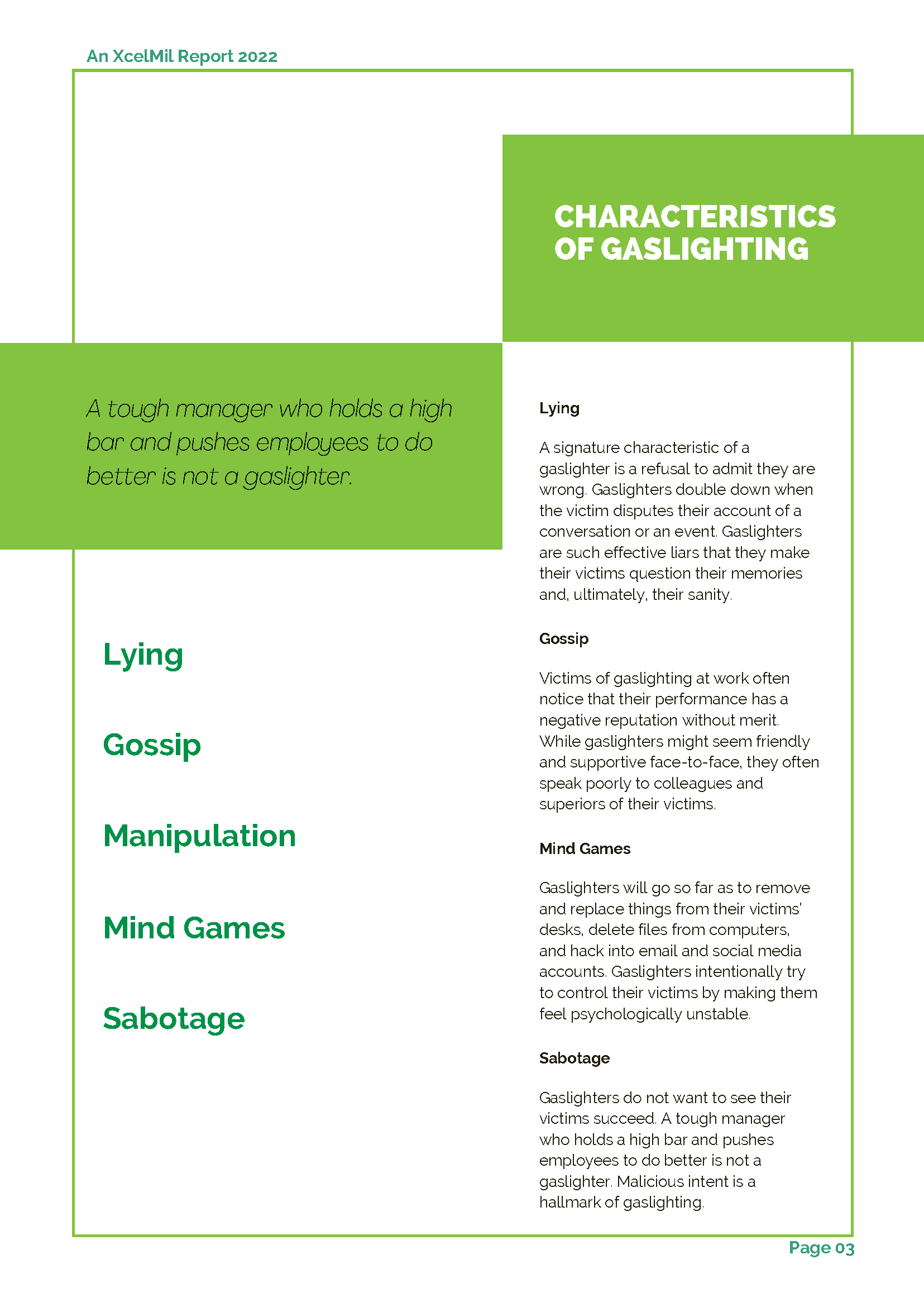
 While the word “gaslighting” gets thrown around quite a bit in the workplace these days, it’s a much more severe and complex problem than simply having a bad boss. Gaslighters are manipulative, psychologically abusive saboteurs who may have a mental illness. If you think your manager might be gaslighting you at work, ask yourself these four questions.
 Imagine being reprimanded at work for not attending a meeting you didn’t have on your calendar. Or, your manager insists that they emailed you regarding a critical deadline, but you have no record of receiving the email. These scenarios are examples of what could occur when one is in a professional relationship with a psychologically abusive “gaslighter.”
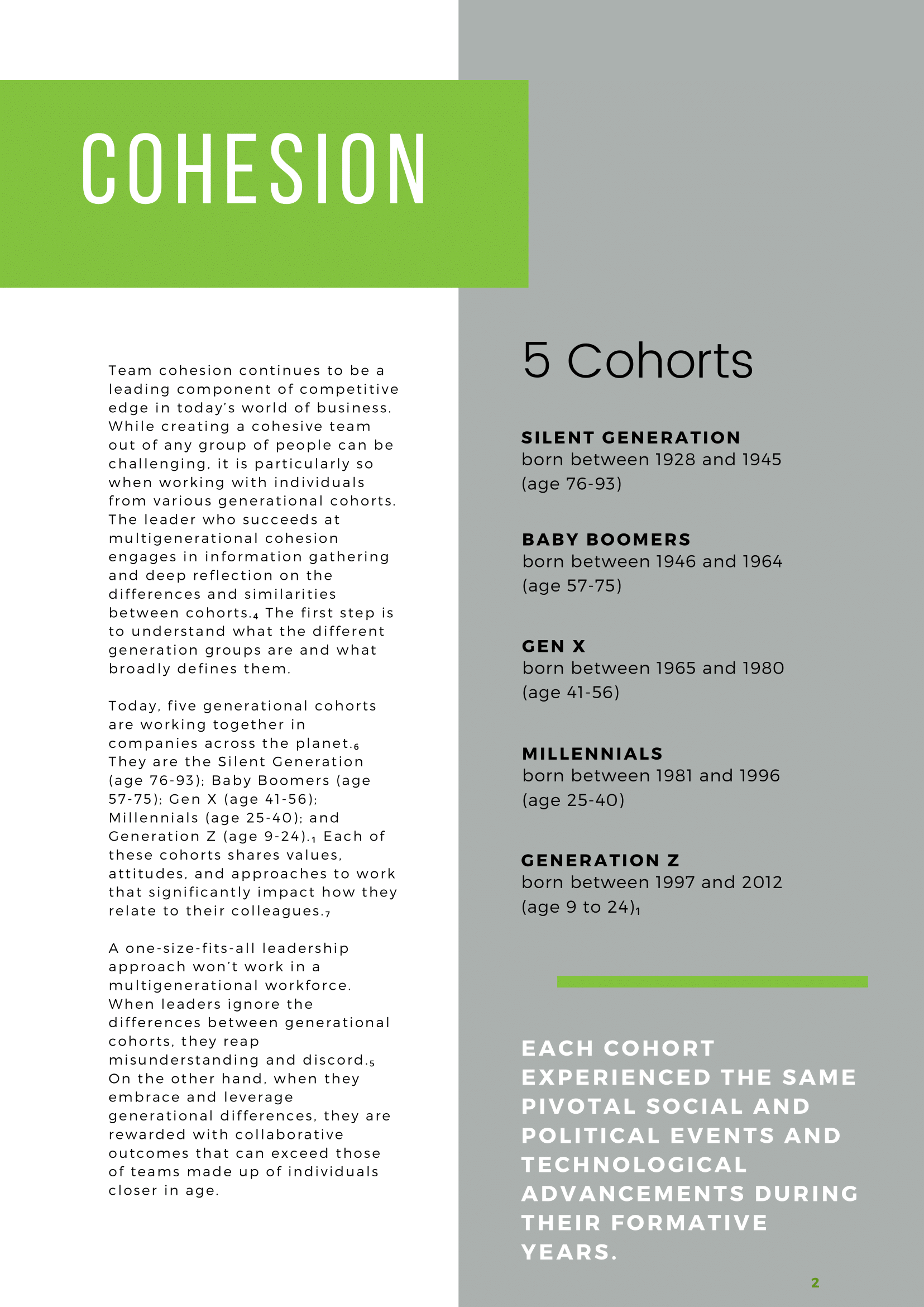
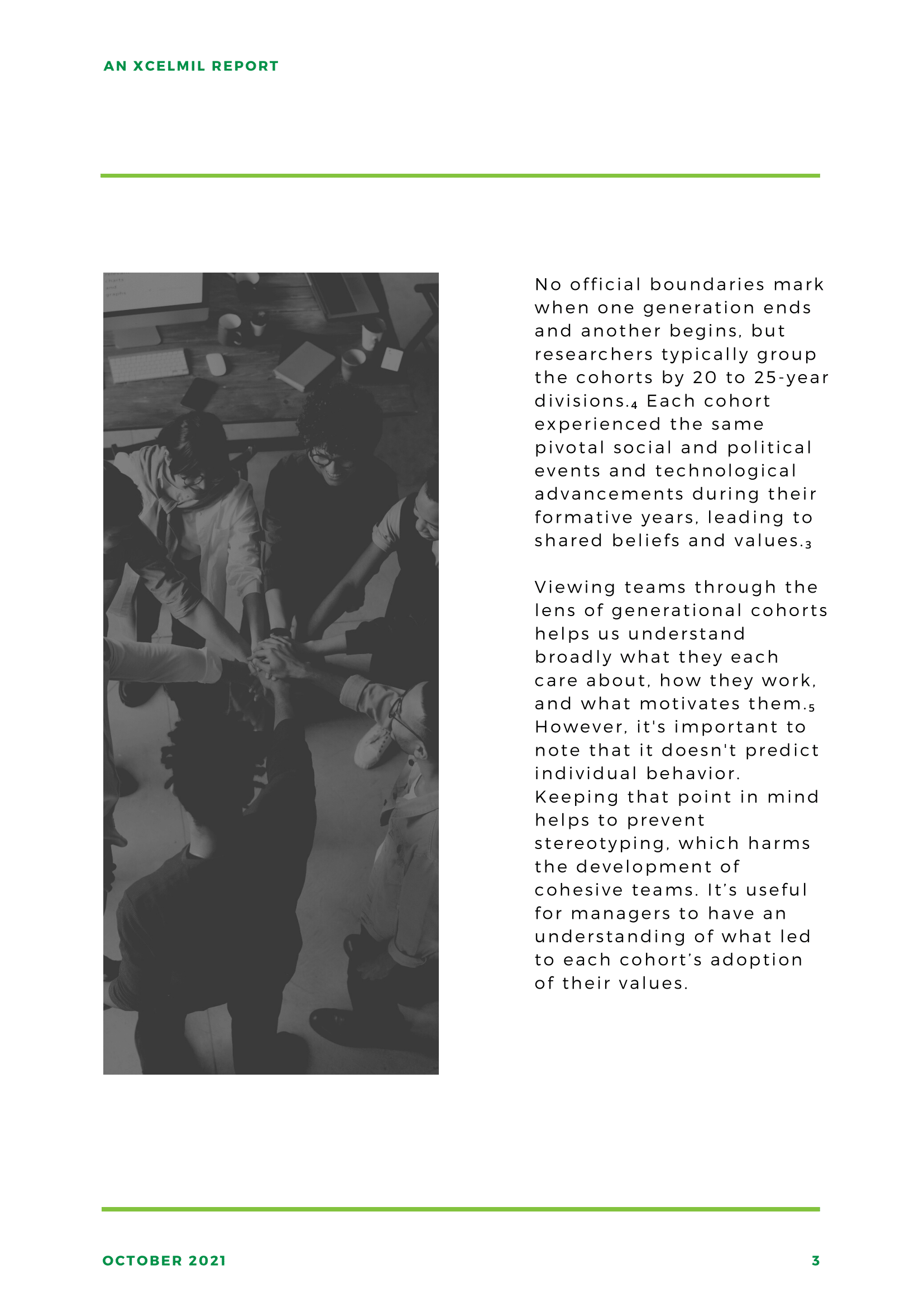
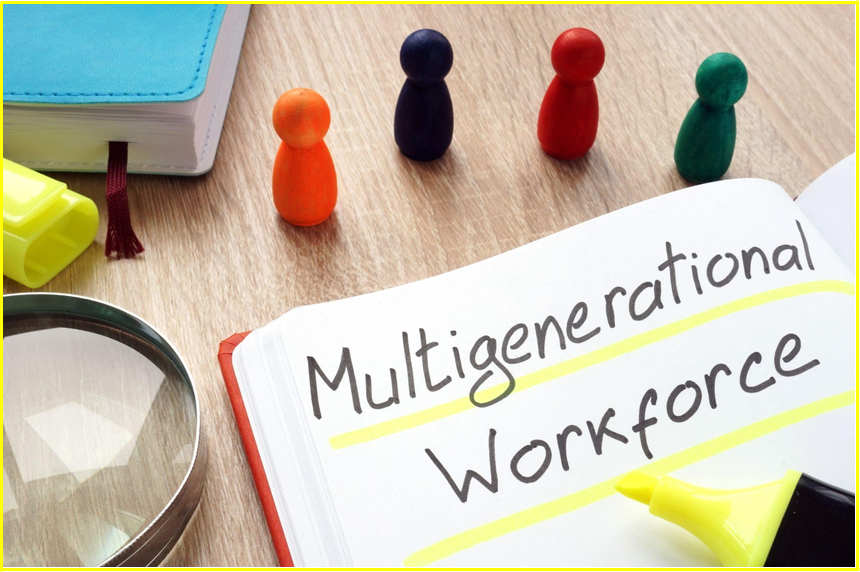
 The first step to managing a multigeneration team well is to understand generational differences and how they directly impact how your employees work, how they prefer to be recognized, and what they want from their employer. To learn more about the five generational cohorts working today, check out our previous post,
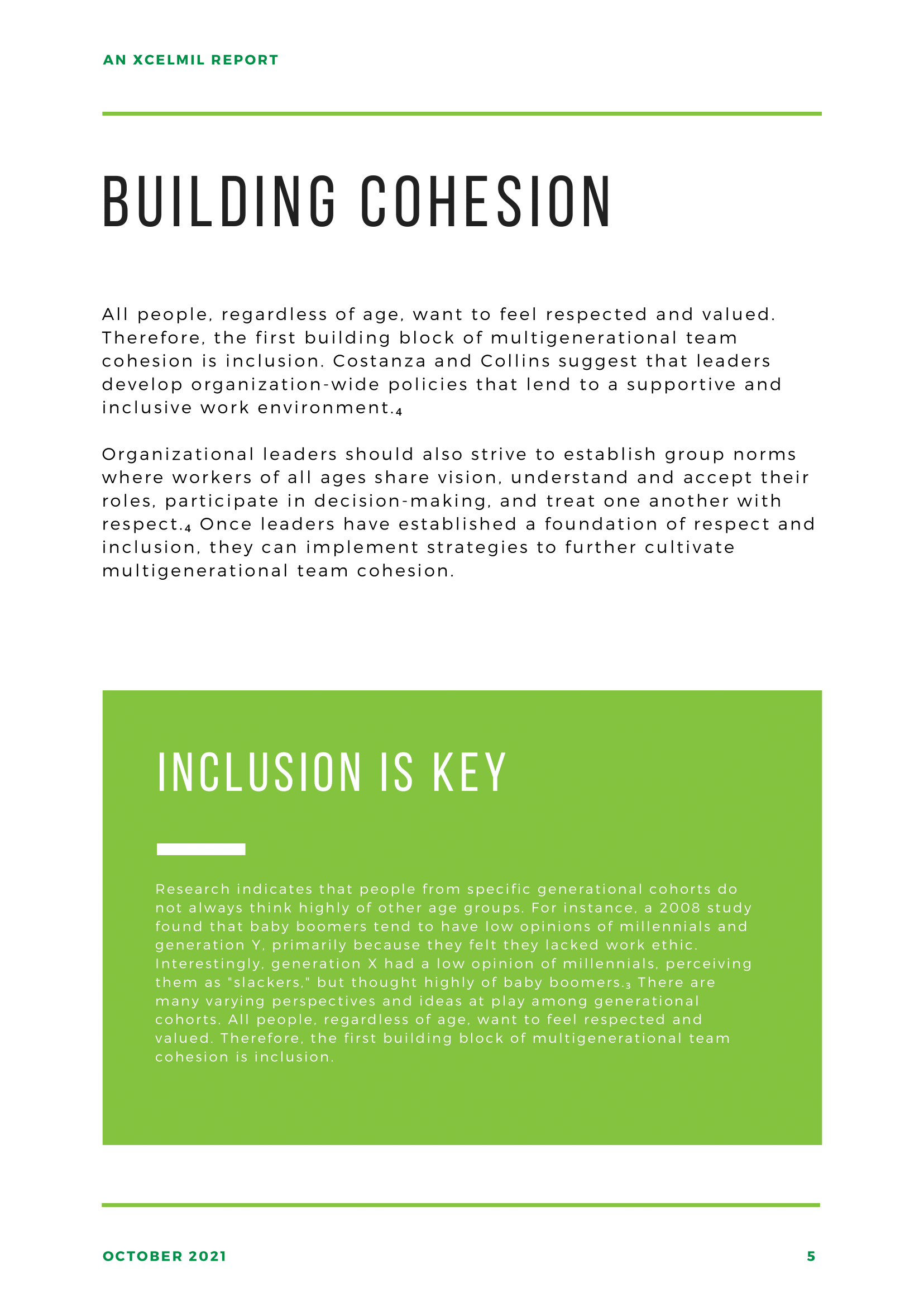
  Healthy company culture is one where all employees feel respected, valued, and supported. Unfortunately, research indicates that people from specific generational cohorts do not always think highly of other age groups. For instance, a 2008 study found that baby boomers tend to have low opinions of generation X and Y, primarily because they felt they lacked work ethic. Interestingly, generation X had a low opinion of millennials, perceiving them as “slackers,” but thought highly of baby boomers. There are lots of varying perspectives and ideas at play among generational cohorts. One way to bridge the gap is to create pathways for multigenerations to build connections through mentoring programs.
 Finally, not all people exhibit the characteristics shared by the generational cohort assigned by their age. For example, when people move up the ladder at work, they might start to embody the next cohort older up from theirs. Others might identify more with another cohort because they spent more time with that age group growing up. In short, individuals are difficult to put into any box. As such, it’s important to remember that everyone is unique and to find ways to hear everyone’s different perspectives so you can create a positive work environment where each person can be successful.
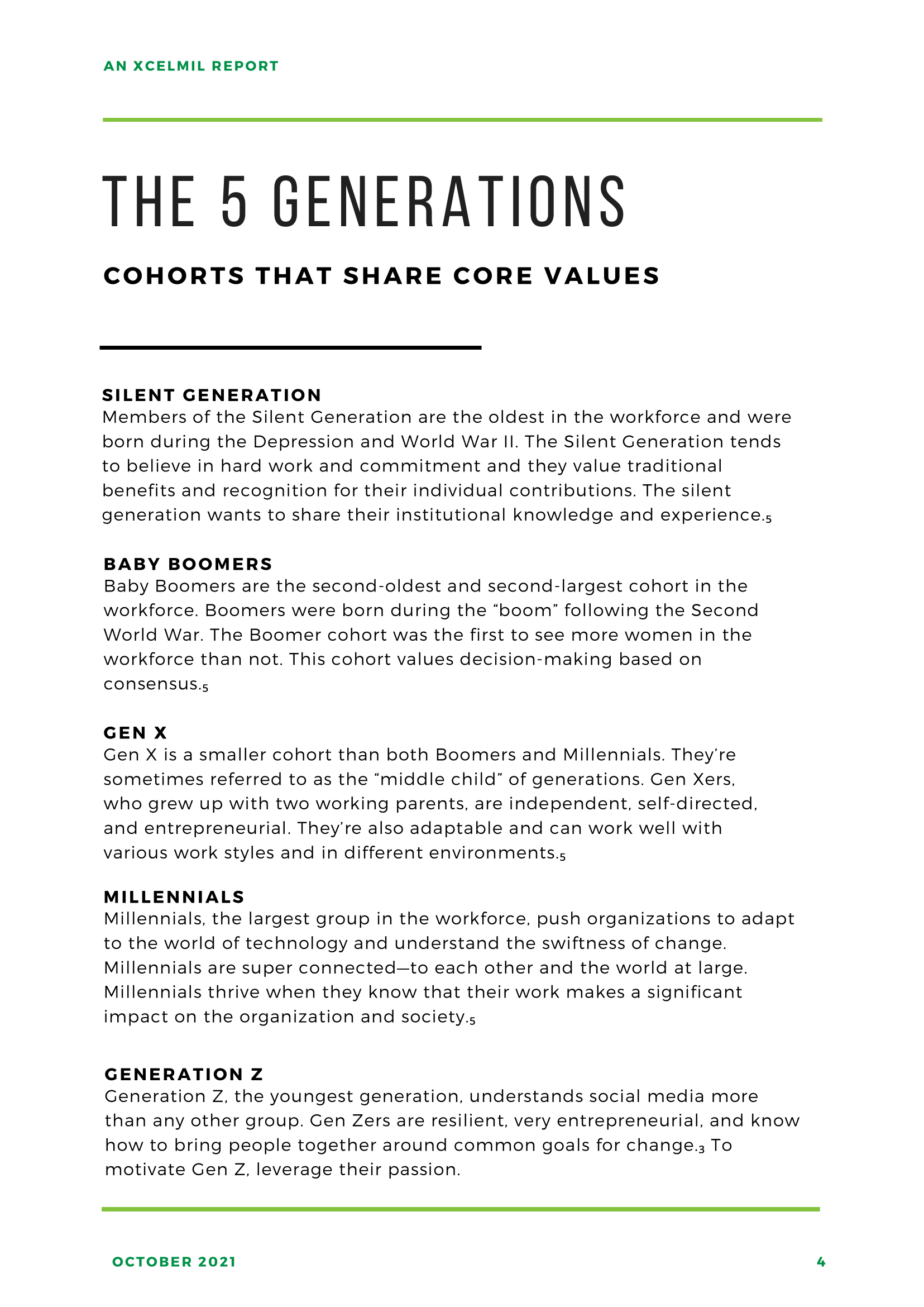
 The silent generation is the oldest in the workforce today, born between 1928 and 1945. In 2021, these individuals are between the ages of 76 and 93 years old. While members of the Silent Generation will be exiting the workforce in the coming years, they still play a critical role.
 Baby Boomers, the second largest group at work after millennials, were born between 1946 and 1964 and are between 57 and 75 years old. Boomers were born after WWII and brought significant changes to the workforce. They were the first generation ever before to have more women between the ages of 22 and 27 going to work than staying home. To engage Boomers, be sure to involve them in decision-making.
 The Gen X generation is smaller than both Boomers and Millennials; they’re sometimes called the “middle child.” This group was born between 1965 and 1980 and is 41 to 56 years old. This generation is flexible, self-directed, independent, and highly entrepreneurial. To engage Gen Xers, tap into their creativity and drive.
 Millennials, born between 1981 and 1996 (ages 25-40), are the largest group in the workforce. They’ve pushed organizations to adapt to the world of technology and they understand the swiftness of change. Millennials are super connected—to each other and the world at large. To engage millennials, help them understand how their work has a significant impact on the organization and society.
 Gen Z, born between 1997 and 2012 (ages 9 to 24), understands social media more than any other group. They are all about bringing people together around common goals for change. Gen Zers are resilient and very entrepreneurial. To engage Gen Z, leverage their passion.
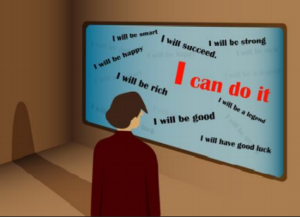 Self-talk is what we tell ourselves, whether we’re conscious of our thoughts or not. If you don’t think that you talk to yourself, you are not yet conscious of your self-talk. If you know that you talk to yourself and haven’t done anything to influence the content, you may have noticed how critical and cruel that little voice inside can be.
 Mental imagery is the process of imagining the successful completion of something that hasn’t happened yet. Research indicates that positive mental imagery effectively enhances performance across many arenas and works for people of all types of personalities. When mental imagery is used in sports psychology, a basketball player might visualize themselves sinking shots during the upcoming game in preparation for the actual game.